Networks and wallets7 min readBeginner
USDT on TON: receive funds and choose a route to hryvnias
USDT on TON works differently in Walt and Keeper. Learn which account controls the keys, when a memo matters and how cash and card routes to hryvnias differ.
To receive USDT on TON, use the TON deposit details in Walt or Keeper. To convert it to hryvnias, choose an exchanger with the required payout direction and follow its deposit instructions.
What is USDT on TON, and what pays its network fees?
Tether lists the supported protocol for USDT on TON as “Ton Jetton via TON.” The USDT stablecoin is a token on this blockchain, distinct from its native coin.
For USDT on TON, ton.org quotes about 0.001 Gram per transfer and says fees do not depend on network load. Gram (GRAM, formerly Toncoin) is the native coin used to pay fees.
Keeper’s Battery provides an alternative way to pay network fees for TON tokens and USDT TRC20, but not for sending GRAM. W5 wallets can instead send USDT on TON with fees deducted in USDT through “gasless” transfers.
For USDT on TON, “gasless” describes how the fee is paid. The fee deducted in USDT still belongs in your calculation of the total cost of moving funds.
How do Walt and Keeper differ in everyday use?
Walt’s main account holds the keys for you; Keeper puts them in your hands. Holding USDT on TON in Walt’s DeFi Account also means controlling your own keys.
| Account | Key holder | Relevant detail |
|---|---|---|
| Walt main account | The service | USDT across supported networks appears in one balance. |
| Walt DeFi Account | You | A separate self-custodial TON address. |
| Keeper | You | A recovery phrase of 12 or 24 words. |
Walt (formerly Wallet in Telegram) is independent and unaffiliated with Telegram. Keeper does not store your recovery phrase on its servers and cannot recover it if lost.
Walt combines USDT on TON and USDT TRC20, among other supported networks, in one balance. Its KYC requirements include identity documents for P2P purchases; proof of address may also be requested.
Ukraine is not on Walt’s restricted-country list, although its territorial restrictions cover Crimea and the occupied territories identified in its rules as “DPR/LPR.”
Telegram’s own built-in Gram wallet is a separate product: ton.org describes it as non-custodial and notes that it is unavailable in some countries.
How do you identify genuine USDT on TON and its address?
Identify USDT on TON by its jetton master address: token names and images can be copied in crypto scams. Tether lists this master address:
EQCxE6mUtQJKFnGfaROTKOt1lZbDiiX1kCixRv7Nw2Id_sDs
Jettons are TON’s fungible tokens. The master contract identifies the asset; individual holders have their own jetton wallet contracts. The master address is not your personal deposit address.
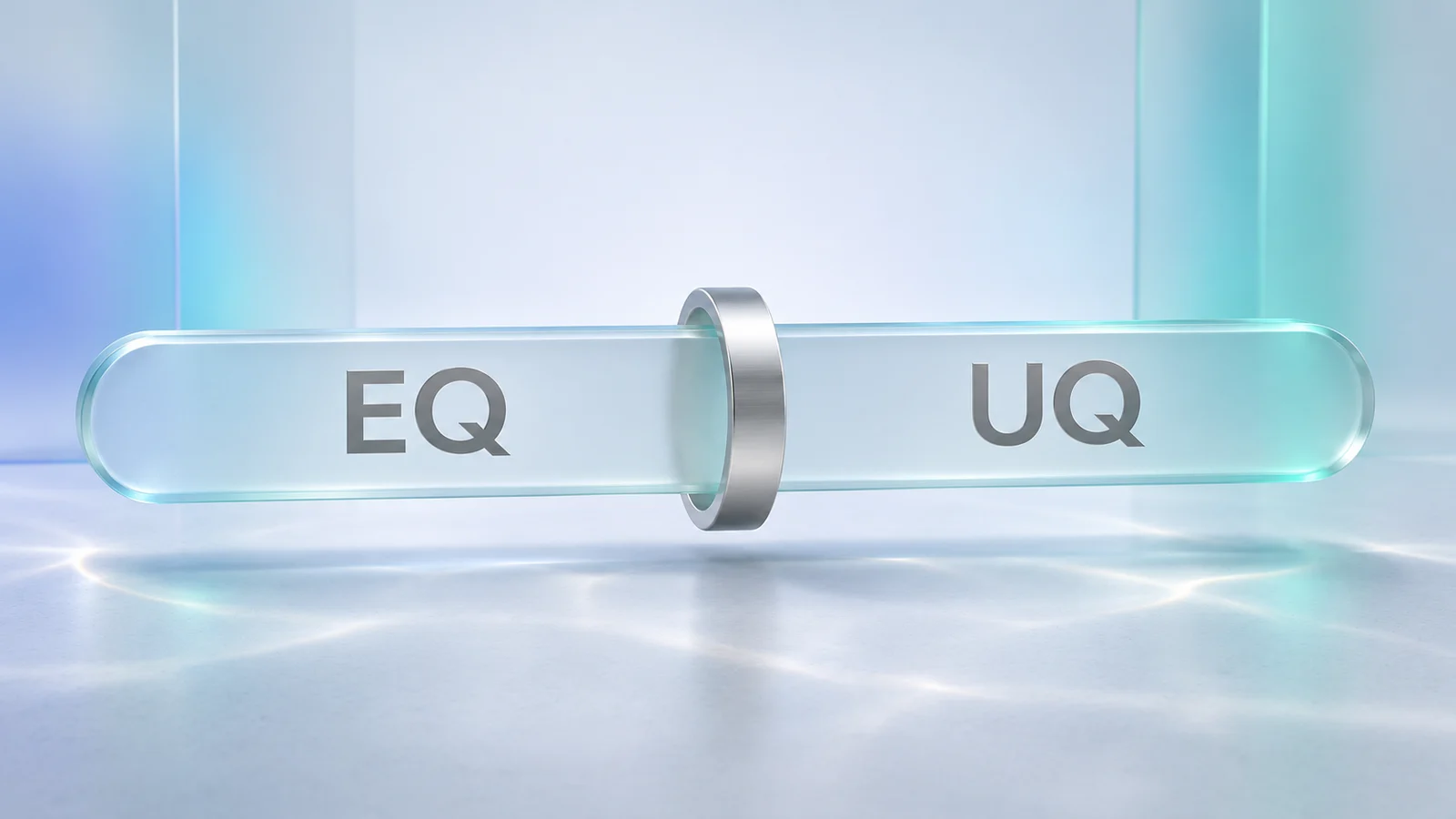
For USDT on TON, a user-friendly address has 48 base64 characters and a checksum. EQ means bounceable; UQ means non-bounceable. Corresponding forms represent the same address, rather than different accounts.
Compare the full address rather than treating the first two letters as a recipient identifier. Two unrelated addresses can share an EQ prefix without belonging to the same person.
A non-bounceable transfer to a wrong address can leave funds inaccessible. Copy the supplied receiving details without rewriting their prefix.
How do you receive and send USDT on TON?
Receive USDT on TON using your account’s deposit details. The sending and receiving networks must match, even when Walt displays a combined USDT balance.
- Open the recipient’s USDT on TON deposit details.
- Copy its address and any supplied comment or memo.
- Enter those details and the amount in your sending wallet.
- Review the displayed fee and payment method before authorising.
Receiving USDT on TON in Keeper requires no memo. When sending elsewhere, use the receiving service’s deposit instructions.
When does USDT on TON need a comment or memo?
A comment identifies your USDT on TON deposit when a service collects payments from multiple users at one address. The identifier tells the service which account to credit.

Some services issue individual deposit addresses without requiring a comment. The requirement depends on the recipient’s deposit setup.
The comment is supplied by the receiver. It is not a name you invent for your wallet or a note explaining why you are paying.
When a recipient supplies a memo for USDT on TON, include it exactly. TON documentation warns that deposits without the correct identifier may be lost.
An already sent USDT on TON transaction cannot be edited or cancelled in Keeper. If an identifier was omitted, contact the receiving crypto exchange or service.
How can you turn USDT on TON into hryvnias?
USDT on TON has a hryvnia cash route. Card-to-TON offers run in the opposite direction: they fund a purchase rather than provide a card payout.
OnExchanger compares exchangers’ live rates, payout amounts, limits and reserves, then sends you to the provider; it does not hold funds, perform conversions or conduct AML/KYC.
The exchanger handles the transaction, terms, checks and support; OnExchanger may earn a partner commission, but you pay the exchanger’s rate with nothing added.
Choose the direction by the asset you have and the payout you need. Each pair page provides a live offer table and converter.
- Convert USDT on TON to hryvnia cash for a cash payout.
- Buy USDT on TON with a hryvnia card for the general card purchase direction.
- Buy USDT on TON with Monobank for that bank’s purchase direction.
The USDT to hryvnia rates page also shows current offers. Compare the amount received, including any separate costs, rather than relying on the headline rate alone.
If your USDT on TON direction is absent, compare USDT TRC20 to Privat24. Changing USDT networks inside a wallet or through an exchanger adds costs.
How much could converting USDT on TON pay out?
The amount received depends on the quoted rate and applicable costs. A higher displayed rate can produce a smaller payout when another step adds a charge.
Hypothetical example, not a live rate: suppose you convert 100 USDT on TON at an invented rate of 40 UAH per USDT. That gives 4,000 UAH before separately charged costs.
If additional costs in this invented example total 100 UAH, the resulting amount is 3,900 UAH. These figures illustrate the calculation.
Use your transaction’s quoted amount, and establish whether a displayed charge is already included before subtracting it again. This guide is not financial advice.
Which deposit details matter when using USDT on TON?
The recipient determines the address and memo requirement. Wallet choice determines who holds the keys and what recovery responsibilities you retain.
How can I receive USDT on TON?
Open the TON deposit details in Walt or Keeper and share the receiving address. Include a memo if the receiving service supplies one; Keeper deposits require none.
What do EQ and UQ mean in a TON address?
For USDT on TON, EQ indicates a bounceable address and UQ a non-bounceable address. Corresponding forms represent the same underlying address, rather than separate accounts.
Why do I need a comment (memo) when sending USDT TON to an exchange?
A crypto exchange may use one receiving address for multiple customers. Its unique memo identifies the customer account to credit; use the identifier shown in your deposit instructions.
How does Walt differ from Keeper (Tonkeeper)?
Keeper is the current name of the self-custodial wallet. Walt’s main account is custodial, while its separate DeFi Account lets you hold the private key and secret phrase.
How can I convert USDT TON to hryvnias?
Check the TON-to-hryvnia cash pair for current offers. For a card payout, compare available routes, including any cost of changing to USDT TRC20.
Sources
Tether documents token support; TON explains addresses, jettons and payments; Walt and Keeper publish account and transfer instructions.
- Tether — Supported protocols
- TON — Address formats
- TON — Jettons
- TON — Payments
- Walt — Supported tokens
- Keeper — Funds didn’t reach the recipient
Use token documentation to establish asset identity and the receiving service’s instructions to complete its deposit details.

We collect facts from official sources, exchanger rules and monitoring data, and check the text against sources before publication.