

AML check for crypto: what an exchanger reviews before payout

Exchanger Guides Writer
An AML check can pause a payment while an exchanger reviews the coins’ history. Compare published thresholds, refund deductions and the documents to prepare if your funds are held.
An AML check examines the history of crypto arriving at an exchanger. Blockchain analytics identifies links between an address or transaction and risky sources; the exchanger uses those findings to decide how to handle your order.
If your payment awaits an AML check, keep the order number, transaction ID and records of how you acquired the coins.
What does a crypto AML check look for?
An AML check looks for connections to risky activity in an address or transaction’s history. AML means anti-money laundering; the analytics result informs the exchanger’s decision under its own acceptance rules.
The analytics provider assigns a risk score, which the exchanger compares with its thresholds. An AML check can flag earlier links in the coins’ history, even when your latest transaction has an ordinary explanation.
What is KYC, and why are documents requested?
KYC means know your customer: identifying a customer through documents. An exchanger may request it after an AML check flags a payment, sometimes alongside evidence of where the money came from.
Source of funds, or SoF, explains how you acquired the coins. A trading-platform statement or earlier purchase order can support a source-of-funds request during an AML check.
The exchanger sets its KYC requirements; ask which evidence is missing. Kings Exchange also requires bank-card verification before card transactions.
How does an AML check assign risk?
An AML check uses blockchain analytics to assess links to risky categories. An exchanger can act on the overall score or on exposure to one particular category, depending on its rules.
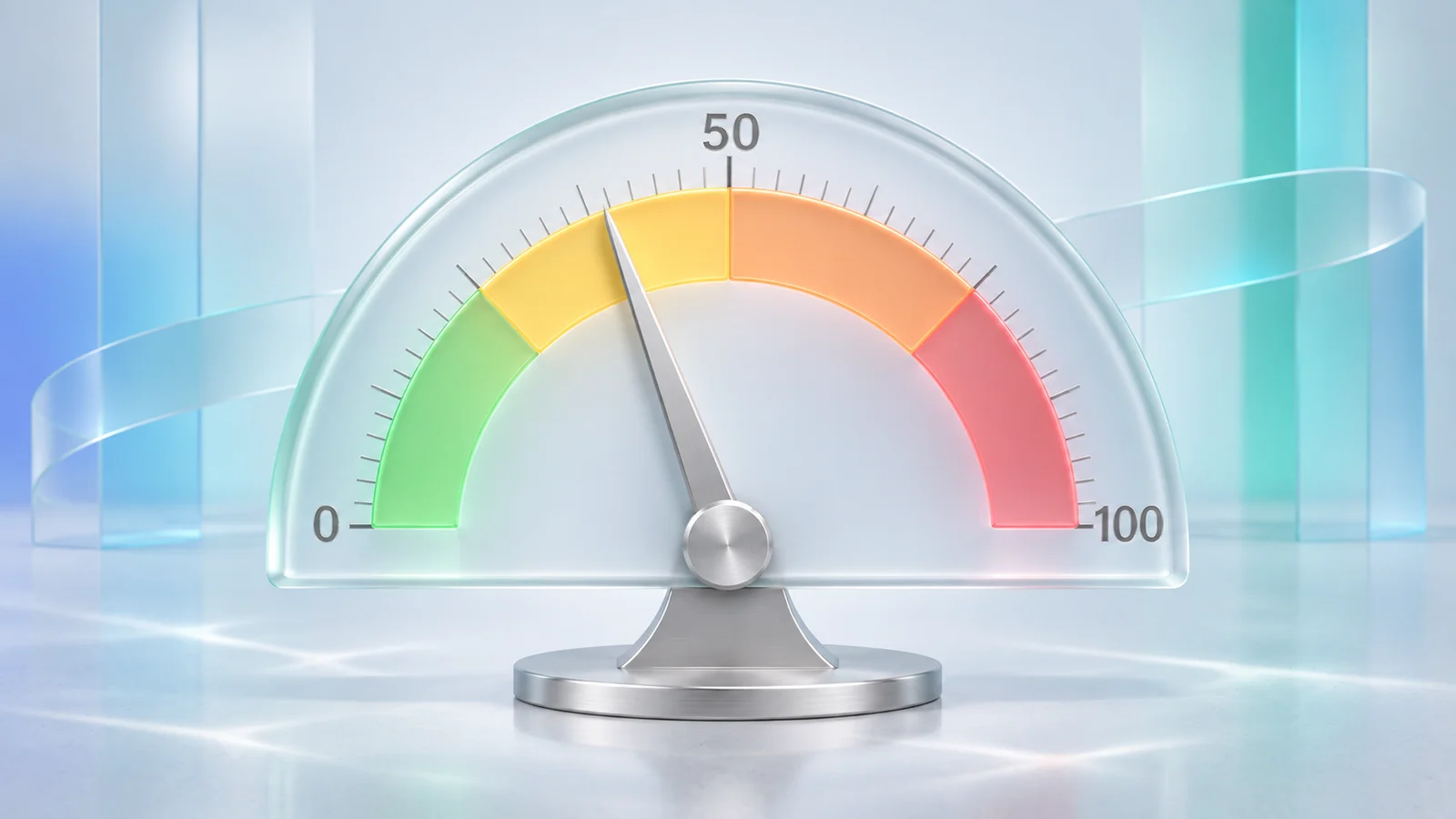
Ukr.Exchange includes the following risk categories in an AML check:
- Gambling, betting and darknet markets.
- Fraud, stolen funds and sanctioned addresses.
- Mixers and privacy tools.
- Ransomware, malware and terrorist financing.
Indirect connections matter: P2P crypto transactions can carry risk from previous owners.
For its AML check, Ukr.Exchange describes risk from 50% upward in three bands:
- 50–70%: medium risk, with questionable links; some services may reject the crypto.
- 70–90%: high risk.
- 90–100%: critical risk.
These bands belong to Ukr.Exchange, whose address scores update automatically with new activity. Another exchanger’s AML check may use different thresholds.
A low score before sending does not guarantee acceptance: the exchanger applies its own rules, and new address activity can change the assessment.
Which AML check thresholds do exchangers publish?
Several exchangers may reject transactions above 50% overall risk, but category thresholds and refund terms differ.
Rules can change; the current policy on the exchanger’s own website is authoritative.
| Exchanger | Threshold or criterion | Possible action | Refund terms |
|---|---|---|---|
| 100btc | Overall risk above 50%. | Transaction may be rejected. | If identification is refused, the service may refund minus 5%, capped at USD 100. |
| ChangeIt | Overall risk above 50%. | Transaction may be rejected. | Consult the service’s refund rules. |
| AnyExchange | AMLBot score above 50%, or above 1.5% in specified categories. | Automatic pause or block. | Funds return to the sending wallet when thresholds are exceeded; however, the service reserves the right to refuse payout or refund for transactions frozen or rejected at risk of 50% or above. |
| Ukr.Exchange | Overall risk above 50%, or one category above 5/100. | Every transaction undergoes an AML check; high risk triggers identification, and orders may be rejected. | Ask the exchanger about refund conditions. |
| Kings Exchange | A compliance officer assesses the customer and order against internal criteria before acceptance. | KYC and source-of-funds evidence may be requested. | If risk is detected, funds may remain held until requested information is supplied and review finishes. |
| First-BTC | Addresses linked to high-risk or illegitimate sources are not accepted. | Refusing AML/KYC triggers the refund procedure. | Within 10 days, minus up to 5%, capped at USD 100 equivalent. The service may choose USDT or the original token, using the order-date or refund-date rate. |
| Dvizh, DigiChanger | Consult the exchanger’s website. | Ask about hold conditions before paying. | Ask about refund conditions before paying. |
Ask support whether your order was paused because of the overall score, a particular category or missing information. That identifies which policy provision applies to your payment.
What happens if the AML check fails?
A failed AML check can lead to further document review, a refund or refusal under the exchanger’s rules. Holding a payment during review and deducting money from a refund are separate actions.
Hypothetical example, not a live rate: assume a USD 1,000 equivalent payment is refunded under 100btc’s rule for customers who refuse identification. A 5% deduction equals USD 50, leaving USD 950 equivalent after that deduction; the USD 100 cap is not reached.
This is a conditional calculation, not a promised payout after an AML check. Refund terms depend on the exchanger.
Issuer restrictions are separate: Tether’s terms allow USDT freezing and address blacklisting. The guide to what USDT is explains the asset itself.
How can you prepare for an AML check?
Prepare for an AML check by documenting the coins’ origins and reading the refund policy before sending. Avoid accepting crypto from unknown people as payment when you intend to convert it.
Purchase records can support a source-of-funds request, while an address assessment may identify risky connections before payment.
- Read the exchanger’s risk thresholds and grounds for refusal.
- Establish refund timing, deductions and the asset used.
- Keep acquisition records and previous order details.
- Use a free address assessment if the exchanger offers one.
- When sending USDT TRC20, select that direction and network in your wallet.
See USDT wallets for TRC20 and BEP20 and how to assess a crypto exchanger for related preparation. This guidance on choosing a route is not financial advice.
What should you do when funds await an AML check?
Contact support through the exchanger’s website with your order number and transaction ID. Ask what the AML check requires, provide the requested documents and retain the correspondence.

Support needs records tied to the payment under review.
- Send the order number, transaction ID and current status.
- Ask for the reason for the hold and the required documents.
- Provide identity or funding evidence as requested.
- If a refund is proposed, establish its timing, asset and deduction.
- Save support replies alongside your transaction records.
If the AML check still awaits information, ask which document remains outstanding.
How can you compare offers alongside AML check rules?
Read AML check terms on the exchanger’s website and compare current payout amounts on the relevant pair page. A quoted rate or reserve does not explain how the service assesses incoming crypto.
OnExchanger.com monitors online exchangers, comparing rates, payout amounts, limits and reserves before directing readers to a service. It neither holds funds nor processes conversions or AML/KYC; terms, screening and support belong to the exchanger, and any partner commission adds nothing to the exchanger’s quoted rate.
Offers arrive automatically from public rate feeds and appear only when updated within the last 30 minutes. Some services operate on a schedule; monitored online exchangers have individual information pages.
The Kings Exchange monitoring facts include its last update and currently live directions. Use the USDT TRC20 to Privat24 or USDT TRC20 to Monobank tables and converters, or view USDT to UAH rates.
What else do customers ask about an AML check?
AML check timing and refunds depend on the exchanger’s terms and the evidence requested for your payment.
How long does an AML check take?
An AML check depends on the exchanger and required documents; there is no shared completion time. First-BTC’s 10-day provision concerns refunds after verification is refused, not the duration of every review.
Can I have my own wallet screened for AML risk?
Yes. Some exchangers offer a free AML check of your address. The assessment concerns that address’s history and connections; consider its current result alongside the receiving service’s acceptance rules.
Why did legitimate funds receive a high risk score?
An AML check can identify indirect links or activity involving previous coin owners. A legitimate explanation for your own payment does not remove those earlier connections from the transaction history.
Will my funds be returned if I refuse verification?
That depends on the exchanger. 100btc and First-BTC describe refunds with possible deductions, while AnyExchange reserves refusal rights; an AML check does not create a universal refund entitlement.
Does OnExchanger perform an AML check?
No. The exchanger handles the payment’s AML check and document requests. Contact its support about held funds: OnExchanger cannot release or return your payment.
Sources
OnExchanger’s policy explains the monitor’s role; Tether’s terms address USDT freezing and blacklisting.
Ask support which provision of the exchanger’s rules applies to your order.